TL;DR
- Window style isn't just an aesthetic choice — the operating mechanism affects ventilation, sealing performance, ease of use, and how well the window holds up in Northeast Florida's heat and storm conditions
- The five main residential styles — single and double-hung, casement, gliding, picture, and specialty — each have specific strengths that make them the right call in particular rooms and scenarios
- Casement windows provide the tightest seal of any operable window style and the most complete ventilation across the full opening — making them the strongest energy efficiency choice when maximizing airflow or minimizing air leakage matters
- In Northeast Florida's climate, matching window style to room function — ventilation needs, sun exposure, ease of operation, and storm season sealing — significantly affects daily comfort and long-term performance
- A complimentary in-home design consultation walks through which styles fit each room of your home and how they work together as a cohesive window package
When most homeowners think about replacing windows, they think about frame material, glass type, and energy ratings. What they often underestimate is how much the style — the way the window opens and operates — shapes the daily experience of living with it.
Window style determines how well a room ventilates on a comfortable October morning in Northeast Florida. It determines whether a window is easy to operate from across a kitchen counter or reach above a deep bathroom vanity. It determines how well the sash seals against the frame during a summer storm — and how much air leaks around it on the 340 other days of the year. It determines the view from your living room, the light in your office, and the architectural character of your home's facade.
Getting the style right in each room isn't complicated once you understand what each option delivers. This guide covers the five main residential window styles available through Lifetime Windows, what makes each one genuinely suited to certain rooms and scenarios in a Northeast Florida home, and how to think through the selection for your specific situation.
Single and Double-Hung Windows — The Familiar Standard
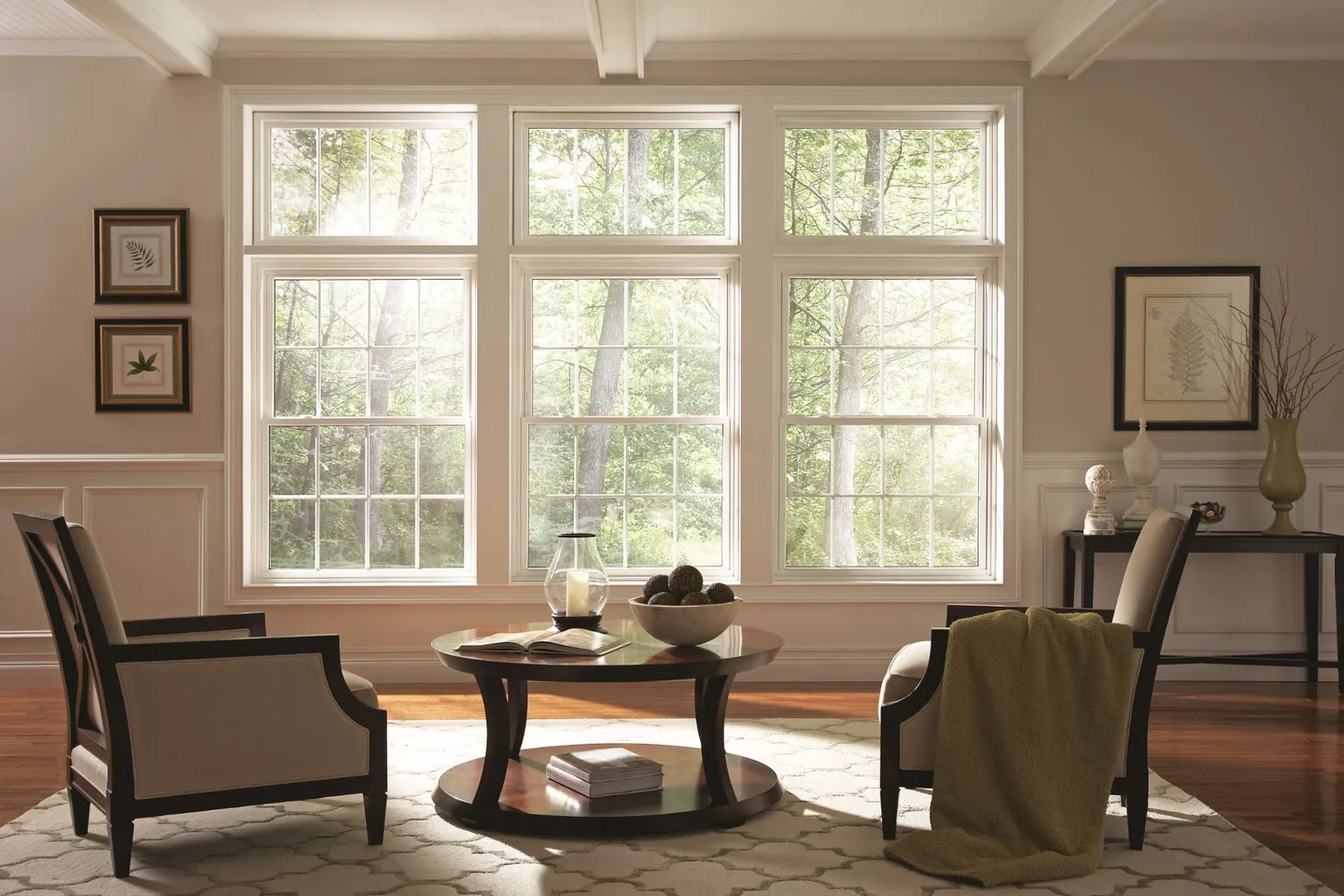
Single and double-hung windows are the most common residential window style in Northeast Florida homes — and for good reason. They're familiar, versatile, and work well across most rooms and architectural styles.
How they operate: The sash slides vertically. In a single-hung window, only the bottom sash moves; in a double-hung, both the upper and lower sash slide independently. Double-hung windows provide more ventilation options — you can open the top, the bottom, or both — and allow for cross-ventilation effects in rooms where airflow management matters.
For Northeast Florida specifically: The ability to open both the top and bottom sash in a double-hung window is genuinely useful in Florida's climate. Opening the top sash allows warm air that has risen to the ceiling level to exit while cooler outside air enters through the bottom. During the spring and fall months when outside temperatures are comfortable, this natural ventilation reduces how much the air conditioner needs to run.
Best applications: Living rooms, bedrooms, and secondary rooms where standard ventilation and ease of operation are the priorities. Double-hung windows are also easy to clean — most tilt inward for access to the exterior glass from inside the home.
What to watch for: The vertical sliding mechanism creates a horizontal seam at the meeting rail (where the top and bottom sash meet) that requires well-designed weatherstripping to seal tightly. Quality double-hung windows from a reputable manufacturer seal well; lower-quality products with loose tolerances at the meeting rail are where air leakage most often occurs.
Lifetime Windows carries the full range of single and double-hung configurations suited for Northeast Florida homes and architectural styles.
Casement Windows — Maximum Ventilation and the Tightest Seal
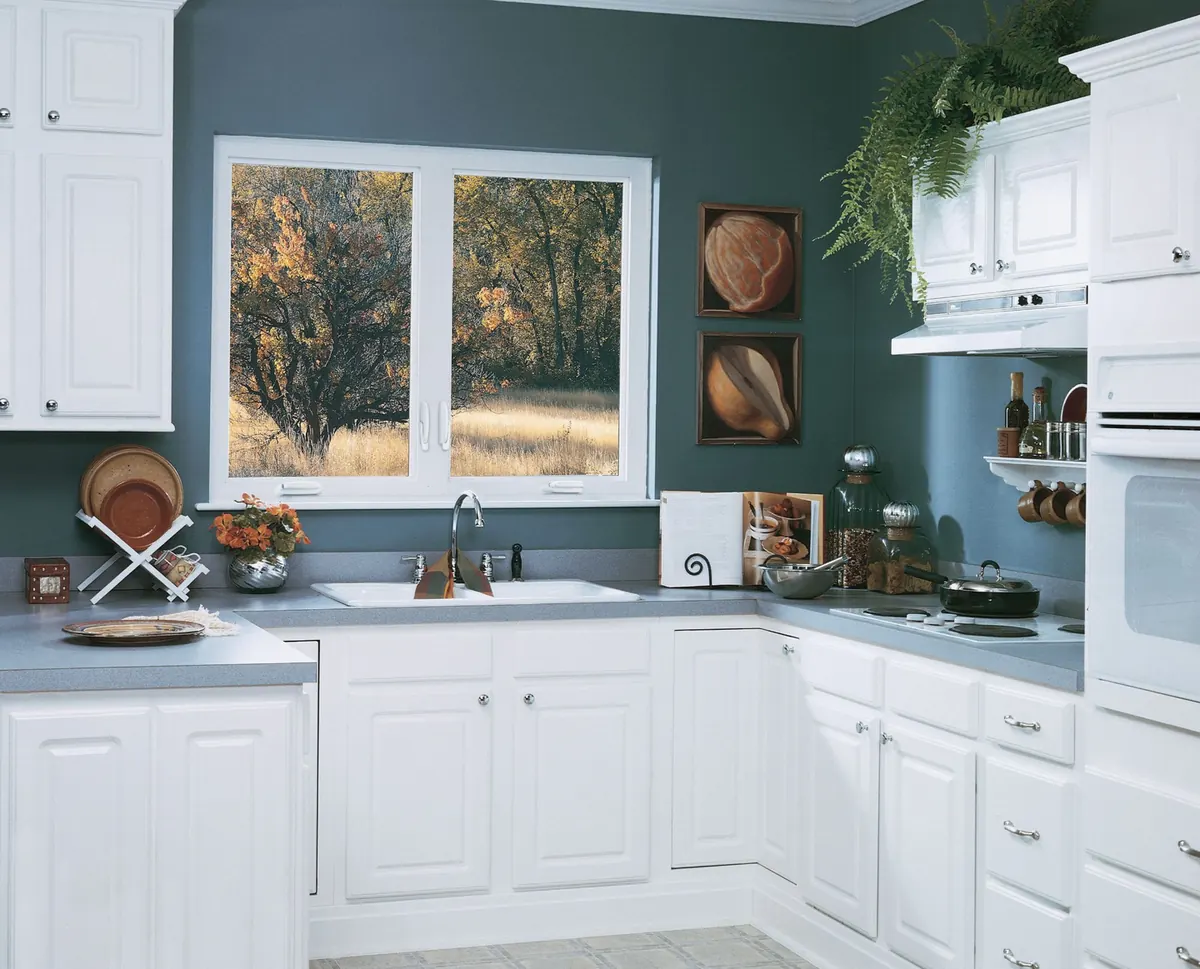
Casement windows hinge on one side and swing outward — like a door — operated by a crank or lever. Of all operable residential window styles, casement windows provide two distinct performance advantages that matter particularly in Florida's climate.
Compression seal. A casement sash commonly presses against the frame seal when closed. This design can help limit air leakage, but actual performance depends on the specific product, seal condition, size, and installation. Compare tested air-leakage ratings rather than assuming every casement outperforms every sliding window. Related technical guidance.
Maximum ventilation. When open, a casement window exposes the entire frame opening — not half of it, as a single-hung exposes, or a portion of it, as a gliding window typically does. For cross-ventilation on comfortable days, or for maximizing airflow in a bathroom or kitchen where moisture management matters, the full opening area of a casement is a genuine advantage.
Choose windows for the actual climate zone and compare certified whole-window ratings. Lower SHGC reduces solar heat gain, while U-factor describes heat transfer. Air leakage, installation quality, orientation, and the rest of the home also affect comfort and energy use. Use current ENERGY STAR guidance and the product label rather than outdated general thresholds. Related technical guidance.
Best applications: Kitchens (particularly above counters or sinks where a crank mechanism is easier to reach than a sliding sash), bathrooms, home offices, and any room where maximizing ventilation on comfortable days or minimizing air leakage during the cooling season is a priority. Also well-suited for rooms where the window is in a hard-to-reach location.
What to watch for: Casement windows open outward, which means they need clear exterior space to swing — they shouldn't be placed where an open sash would interfere with a patio, walkway, or HVAC equipment directly outside. The crank mechanism is the primary moving part and should be inspected periodically for smooth operation.
Lifetime Windows' casement window options cover the range of sizes and configurations suited to Northeast Florida homes.
Gliding Windows — Clean Lines and Practical Access
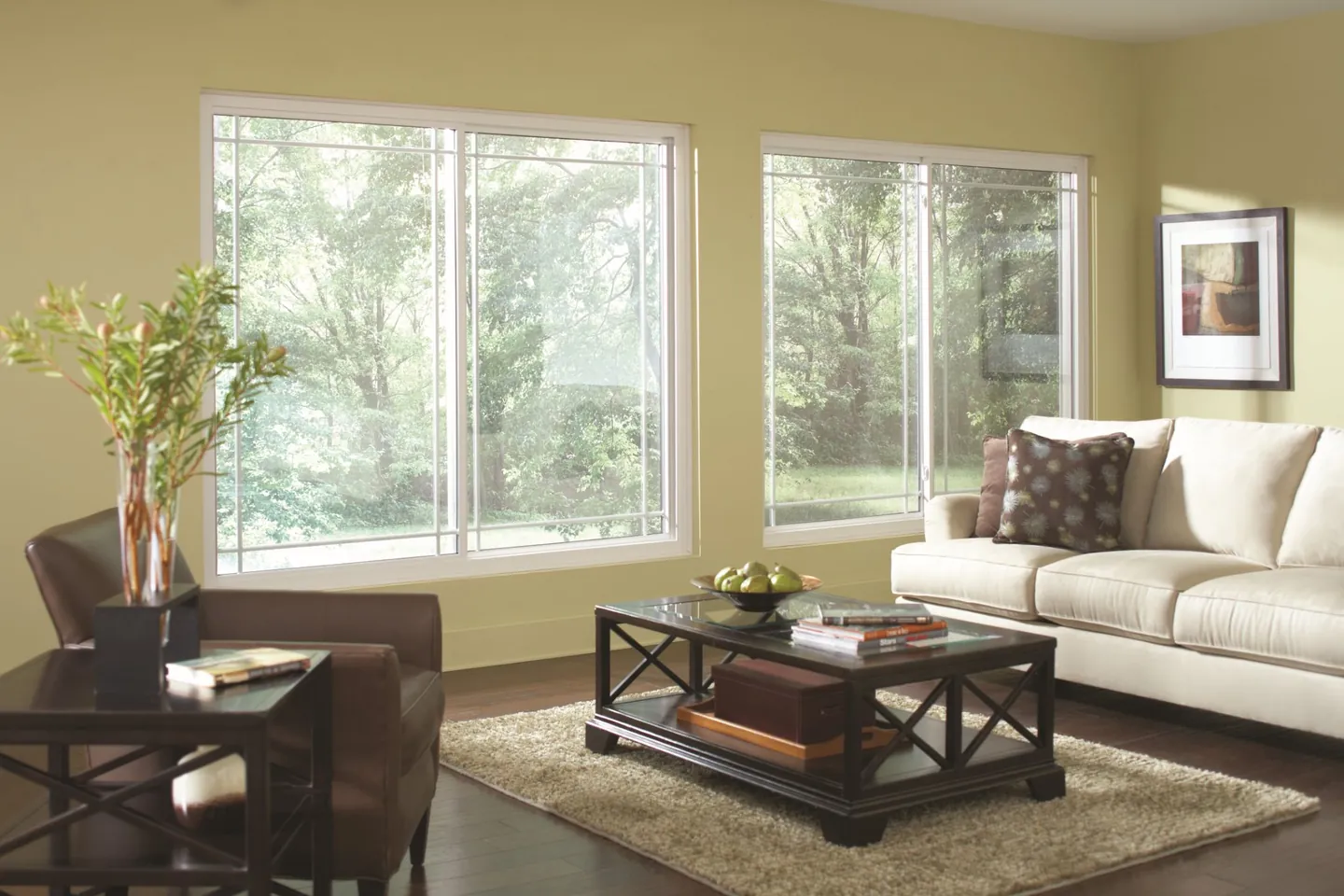
Gliding windows (also called sliding windows) move horizontally along a track — one sash slides while the other remains fixed. They're the horizontal equivalent of a single-hung window, and they share both the practical advantages and the ventilation limitations of that operating style.
How they operate: The sliding sash moves left or right along a frame track. Most residential gliding windows open approximately half the overall window area — the sliding sash crosses over or behind the fixed sash.
For Northeast Florida: Gliding windows are practical where an outward-opening casement isn't suitable — next to a covered patio, along a walkway, near landscaping, or in any location where exterior clearance for an outward-swinging sash would be a problem. They're also a natural choice for wider, lower window openings where a horizontal operating style fits the proportions better than a vertical one.
Best applications: Hallways, utility rooms, wide landscape-orientation exterior openings, and locations where exterior clearance makes a casement impractical. Do not add an operable opening between an attached garage and the dwelling without approval for the required fire and fume separation.
What to watch for: The horizontal track requires periodic cleaning to ensure smooth operation — debris accumulation in the track is the most common maintenance issue with gliding windows. The sealing performance is generally comparable to double-hung windows at equivalent quality levels, though not as tight as casement windows.
Gliding window options from Lifetime Windows include the full range of sizes suited to Northeast Florida residential applications.
Picture Windows — When the View Is the Point
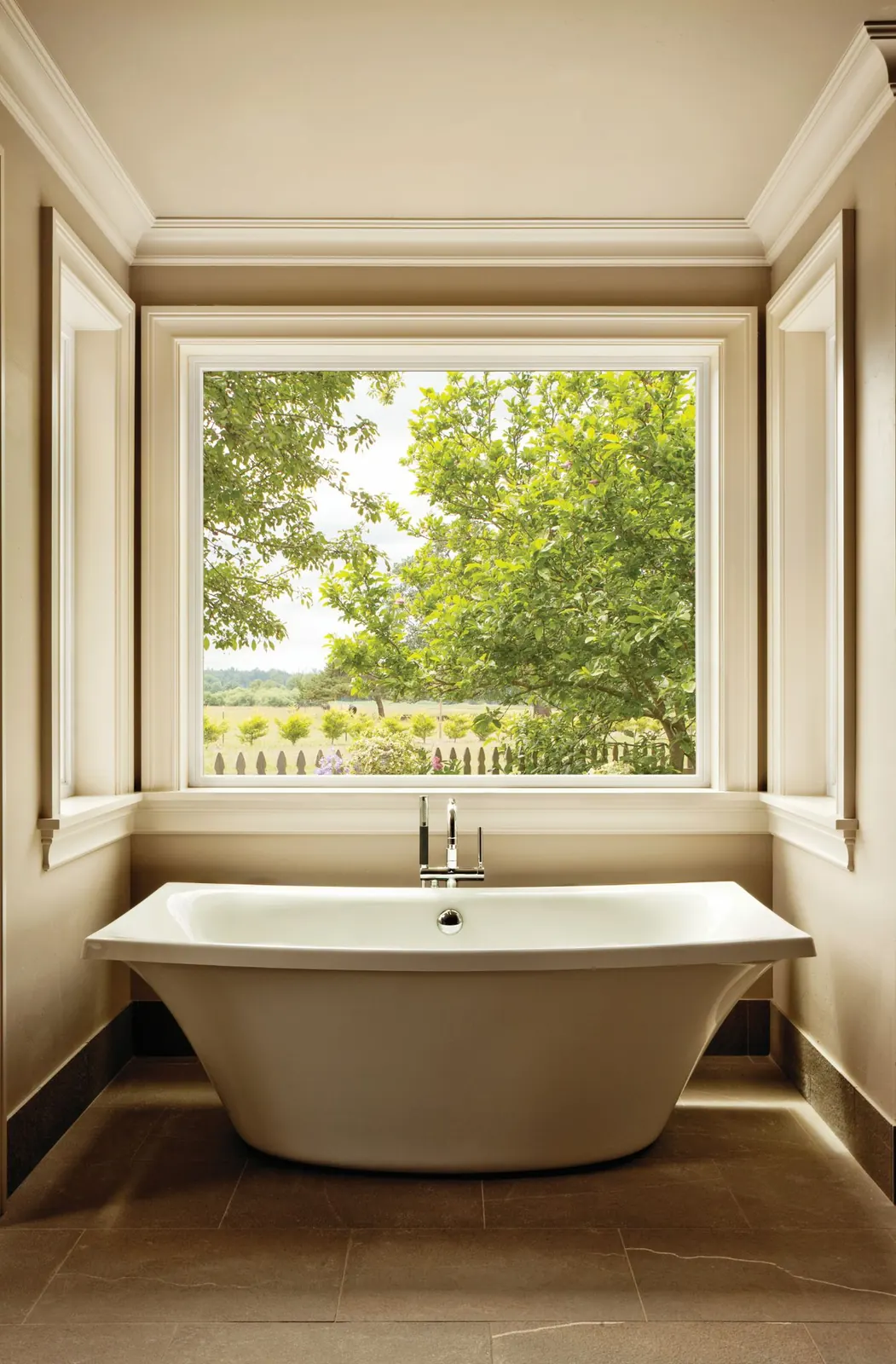
Picture windows are fixed — they don't open. The entire sash is stationary glass, providing the maximum possible unobstructed view and the most complete natural light of any window style.
The performance case: Fixed windows seal better than any operable window because there's no operating mechanism, no track, and no sash-to-frame movement — just a single sealed unit in a frame. They're also the most structurally simple window, with fewer components to wear or fail over time.
For Northeast Florida: Picture windows shine in rooms where a view or natural light is the priority and ventilation is handled elsewhere — by other operable windows in the same room, by a nearby door, or by the home's HVAC system. In a living room with an open floor plan connected to a well-ventilated kitchen and dining area, a picture window flanked by operable windows captures the visual impact without sacrificing airflow. On a second story overlooking a Florida landscape, a picture window frames the view without requiring operational complexity.
Best applications: Main living areas with significant views, formal dining rooms, rooms where natural light is the priority, and architectural accent locations where a fixed window makes a visual statement. Commonly paired with operable windows on either side for the combination of view and ventilation.
What to watch for: Picture windows do not open. Confirm required room ventilation and emergency escape and rescue openings before replacing an operable window with fixed glass. A nearby door, another window, or an HVAC system is not automatically a substitute for code-required provisions.
Lifetime Windows' picture window configurations include the range of sizes and glass options suited to Northeast Florida homes.
Specialty Windows — Custom Shapes and Architectural Accent
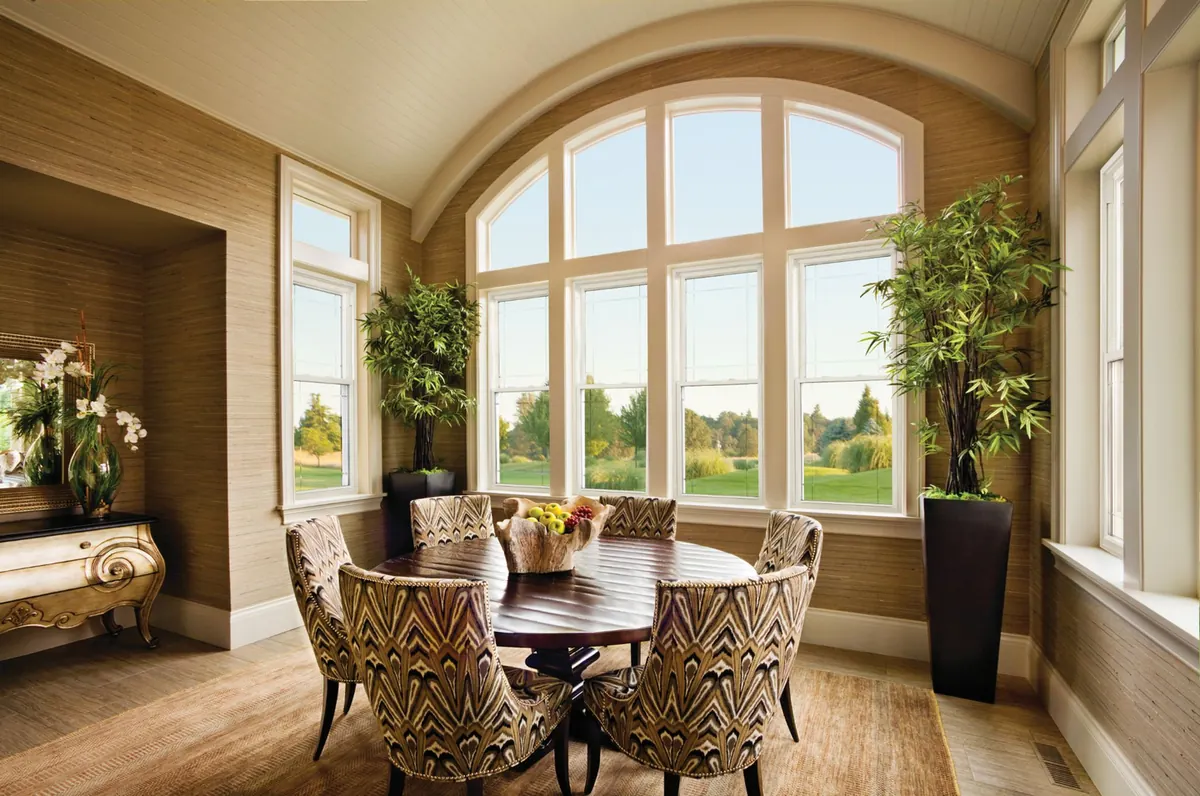
Specialty windows cover any non-standard shape — arches, circles, octagons, trapezoids, and other geometric forms that serve an architectural or design function rather than a primary ventilation or egress function.
Where they fit: Above entry doors (transoms), above large picture or casement windows in a gable or cathedral ceiling space, in stairwells, and in any location where an architectural accent that matches the home's character is the goal. A well-placed specialty window adds natural light to an otherwise dark ceiling area and creates visual interest that standard rectangular windows don't.
For Northeast Florida: Specialty windows in Northeast Florida's architectural mix — from traditional craftsman homes in established Jacksonville neighborhoods to contemporary coastal builds in St. Johns County — provide the custom character that makes a home feel finished and intentional rather than assembled from standard parts.
Specialty window options at Lifetime Windows cover the custom shapes and configurations suited to Northeast Florida's residential architectural range.
How Florida's Climate Should Inform Your Style Choices
Three climate-specific considerations should factor into window style selection in Northeast Florida:
Ventilation on comfortable days. The spring and fall seasons in Northeast Florida are genuinely comfortable — cool mornings, mild evenings, the kind of weather where opening windows is a pleasure rather than a concession. Window styles that provide maximum ventilation (casement, double-hung) get more use and more value from Northeast Florida's good months than in climates where comfortable outdoor temperatures are rare.
Sealing during the cooling season. Eight to nine months of air conditioning means the window's sealed performance matters as much as its ventilated performance. Casement windows' full-perimeter compression seal makes them the top performer here. Double-hung and gliding windows at quality tiers with well-engineered weatherstripping perform well — the quality of the product and installation matters more than the operating style at equivalent quality levels.
Storm season considerations. Florida's storm season runs June through November. Windows should be rated for the wind load requirements of your specific location — a factor that Lifetime Windows confirms during the in-home design consultation and addresses through product selection and installation approach.
The National Association of Realtors consistently identifies window replacement as one of the home improvements with the strongest combination of daily living impact and resale return — and in Northeast Florida's market, the style and specification of replacement windows affect both how the home performs and how it's perceived by buyers.
Room-by-Room: Which Style Fits Where
Living room / open-plan main area: Picture windows for views and light, paired with casement or double-hung operable windows on either side. Large-format glass with minimal frame interruption maximizes the view.
Kitchen: Casement windows above counters and sinks — the crank mechanism is easier to reach than a sliding sash from counter depth, and the full ventilation opening handles cooking moisture effectively.
Primary bedroom: Double-hung for the combination of view and ventilation. The upper sash option allows warm air to exit without directly exposing the sleeping area to drafts.
Bathroom: Casement or double-hung — the casement's full ventilation opening is particularly useful in bathrooms where moisture management matters. Frosted or obscure glass maintains privacy.
Home office: Casement for tight sealing and maximum ventilation when the temperature cooperates. The tight seal also reduces exterior sound transmission, which matters in a workspace.
Hallways and utility rooms: Gliding windows where horizontal orientation suits the opening dimensions and interior clearance makes outward-swinging casements impractical.
Architectural accents (above doors, gable windows, stairwells): Specialty windows for visual impact and natural light without operational requirements.
Frequently Asked Questions
What is the most energy-efficient window style? Casement windows commonly use compression seals, and fixed windows have no operating sash. However, style alone does not determine efficiency. Compare the specific products' NFRC U-factor and SHGC ratings, tested air leakage, and installation requirements.
What is the difference between single-hung and double-hung windows? In a single-hung window, only the bottom sash moves vertically. In a double-hung window, both the upper and lower sash move independently. Double-hung windows offer more ventilation flexibility — you can open the top to let hot air exit, the bottom to let cool air in, or both — and they're typically easier to clean because both sashes tilt inward for interior access to the exterior glass.
Are casement windows a good choice for Florida's climate? Yes — casement windows are particularly well-suited for Northeast Florida. Their full-perimeter compression seal minimizes air infiltration during the long cooling season, and their ability to open the full window area maximizes ventilation on comfortable days when outside air is an asset. The casement's tighter sealing performance directly reduces the air conditioning load in a climate where cooling runs for eight to nine months of the year.
What window style works best above a kitchen sink or counter? Casement windows are the standard recommendation for above-counter locations. The crank or lever mechanism is easy to operate from counter depth, whereas a sliding sash in a double-hung or gliding window requires you to be close enough to push or lift the sash directly. Casement windows also provide full ventilation across the entire opening, which is useful above a kitchen sink where cooking moisture and heat need to exit efficiently.
Can I mix window styles in different rooms of the same home? Yes, and it's common. A coordinated design typically uses the same frame color and glass specification throughout the home for visual consistency while varying the operating style by room function. Casements in the kitchen and bathrooms, double-hung in bedrooms and living areas, and picture windows in featured view locations is a typical package that balances performance and aesthetics across the home.
What is a specialty window and when does it make sense? A specialty window is any non-standard shape — arches, circles, octagons, or other geometric forms — used for architectural accent and natural light rather than ventilation or egress. They're common above entry doors (transoms), in gable and cathedral ceiling spaces, and in stairwells. In Northeast Florida's residential architecture, specialty windows add the custom, finished character that distinguishes a home's design from a standard build.
How does window style affect storm season performance? Operating style can affect sealing, but storm performance depends on the specific product's tested design pressure, water resistance, impact rating or approved opening protection, and correct installation. A compression seal alone does not establish hurricane or wind-driven-rain protection.
Build Your Vision — Find the Right Combination for Your Home
The right window for each room of your Northeast Florida home is a function of how you use the space, what you want it to feel like, and what the Florida climate demands of it. Getting those decisions right across the whole home is easier with an experienced consultant who knows both the products and the local conditions.
Lifetime Windows provides complimentary in-home design consultations for Northeast Florida homeowners — walking through your existing windows, your room-by-room needs, and which style and specification combinations make sense for your home and your budget.
Schedule your complimentary in-home design consultation today and build your vision for every room.