TL;DR
- Hurricane season doesn't peak until September 10, meaning the most active stretch of the season is often still ahead when homeowners start asking about their windows.
- Windows built to meet Florida's wind-load codes, with quality frames and hardware, are designed to hold up under the wind and rain conditions Northeast Florida sees during a typical storm.
- Older windows with worn seals, loose frames, or outdated hardware are often the weakest point in a home during high wind, regardless of how well the rest of the structure was built.
- A licensed local contractor who handles permitting is the clearest way to confirm your windows actually meet the wind-load standard for your area.
- A free in-home consultation can help you understand whether your current windows are ready for the rest of the season or due for an upgrade.
By September, Northeast Florida homeowners are usually paying close attention to the tropics. Forecasts get more specific, storm names start showing up in conversation, and for a lot of people, that's when a nagging question finally gets asked out loud: are my windows actually going to hold up?
It's a fair question, and a lot of homeowners have never really thought about their windows in terms of storm performance. Here's what actually matters when it comes to how windows perform during Northeast Florida's most active weather months.
Why September Deserves Your Attention
Hurricane season runs from June through November, but activity isn't spread evenly across those months. According to NOAA's National Hurricane Center, the climatological peak of the Atlantic hurricane season falls on September 10, with the most active window typically running from mid-August through mid-October. Warm ocean temperatures and favorable atmospheric conditions come together during this stretch to create the highest odds of tropical development all year.
For Jacksonville-area homeowners, that means the weeks a lot of people think of as "late summer" are actually the highest-risk window for wind and rain damage to a home — including the windows that are supposed to be keeping that weather out.
What Actually Fails During High Wind
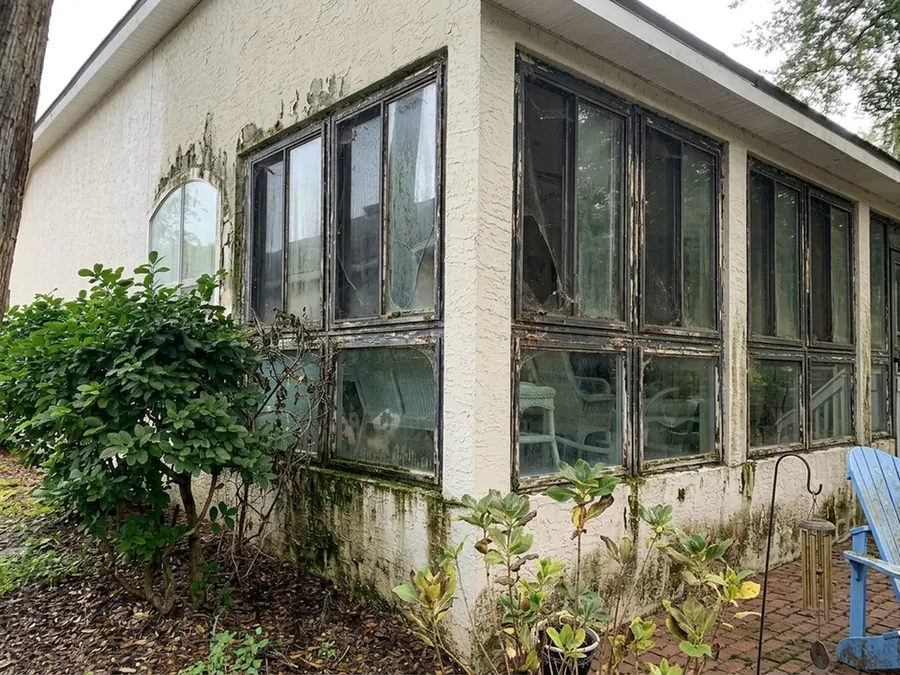
Window failure during a storm rarely comes down to the glass alone. A few specific weak points show up again and again:
- Aging seals and weatherstripping that have dried out or cracked, allowing wind-driven rain to push past the frame.
- Loose or worn hardware — latches, cranks, and locks that no longer hold the sash tightly against the frame.
- Warped or shifted frames, often in older wood or aluminum windows that have moved slightly over years of Florida humidity and heat.
- Improper original installation, where a window may look fine but was never properly sealed or anchored to the surrounding structure.
FEMA's guidance on preparing your home for a hurricane points to the same theme across a home's exterior: small, overlooked maintenance issues are frequently what turns a manageable storm into a costly repair. Windows are no exception.
What "Built for Florida's Wind Codes" Actually Means
Florida's building code sets wind-design requirements based on the installation location and exposure. Design-pressure ratings and impact resistance are different properties: wind-pressure compliance alone does not mean glass resists flying debris. Confirm the product approval, installation requirements, and any required impact glazing or approved opening protection with the licensed contractor and local building department.
The Insurance Institute for Business & Home Safety (IBHS) has spent decades studying how wind actually damages homes, and its research consistently points to the same conclusion: proper installation and code-compliant construction matter more than any single product spec on a brochure. A window built with quality materials and hardware, installed by a team that pulls permits and follows local wind-load requirements, performs fundamentally differently than one installed without that oversight — even if the products look similar side by side.
This is exactly where working with a licensed local contractor matters. Permitting isn't paperwork for its own sake — it's the process that confirms a window was actually installed to the standard your area requires.
Signs Your Current Windows May Be a Weak Point
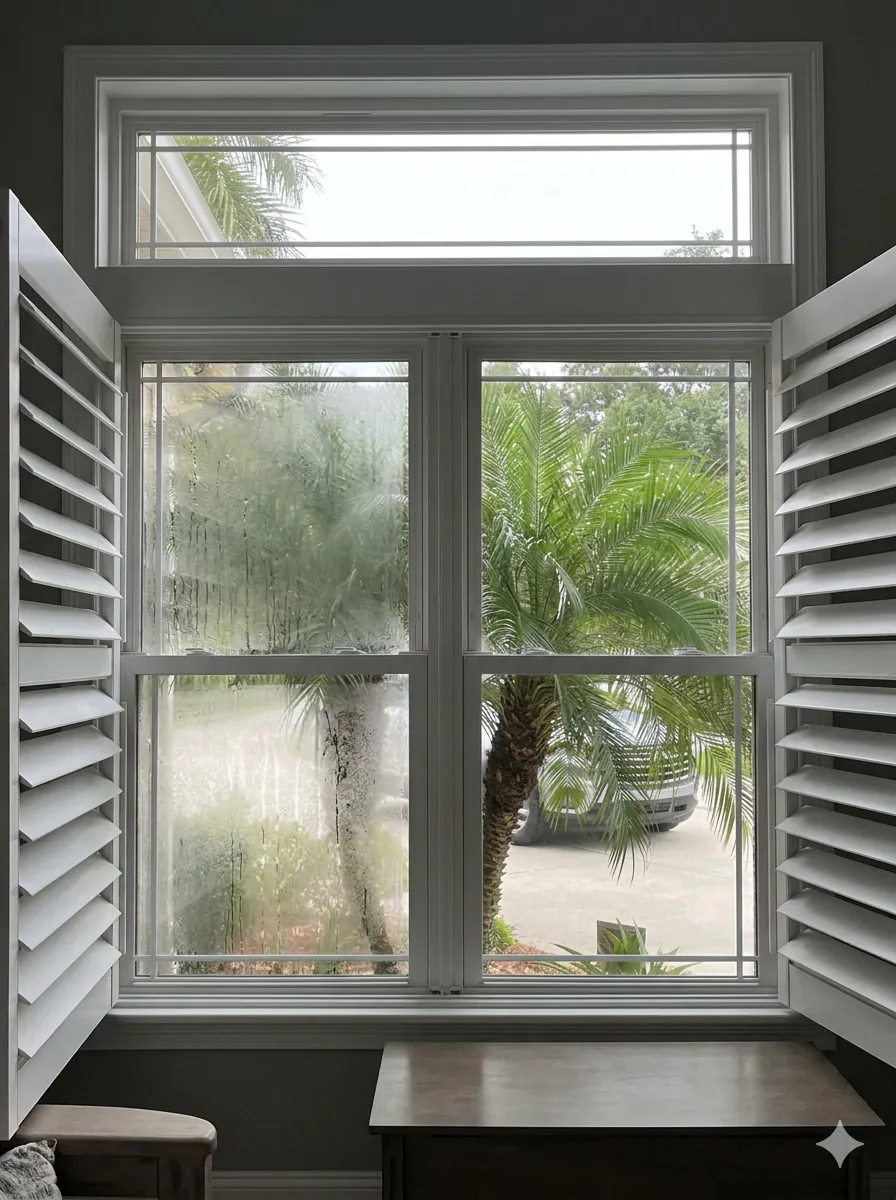
A few warning signs suggest your windows deserve a closer look before storm season peaks:
- Visible gaps or drafts around the frame, especially noticeable during windy weather.
- Difficulty locking or latching a window fully, which means it isn't sealing the way it should.
- Condensation between panes on double-pane windows, a sign the seal has failed.
- Soft or discolored framing, particularly around wood-framed windows that have taken on moisture over time.
- Windows original to a home built before current wind-load standards were in place.
None of these mean a window will definitely fail in a storm, but each one is worth having a professional take a look at before the season's most active weeks arrive.
Coastal-facing homes and properties on larger, more exposed lots tend to see higher wind pressure than homes tucked into established neighborhoods with more tree cover and surrounding structures. That doesn't mean inland homes are exempt from storm risk, but it's a factor worth mentioning to whoever assesses your windows, since it can affect what level of protection makes sense for your specific property.
What You Can Do Right Now
You don't need to wait for a storm warning to start preparing:
- Inspect seals and weatherstripping for cracking, gaps, or wear.
- Test locks and latches on every window to confirm they close fully and hold tight.
- Have a professional assess older windows, especially any original to a home built decades ago.
- Keep documentation of your home's window specifications and installation, which can help with insurance conversations if damage does occur.
Don't Forget Documentation and Insurance Basics
Beyond the windows themselves, Ready.gov's hurricane preparedness resources recommend photographing and documenting the condition of major home features — including windows and their frames — before storm activity picks up. If a storm does cause damage, dated photos showing your windows' condition beforehand make the insurance claims process faster and more straightforward.
It's also worth a direct conversation with your homeowner's insurance provider about exactly what is and isn't covered when it comes to window damage from wind, rain, or debris. Coverage details vary by policy and provider, so this is a conversation to have with your insurer rather than something to assume.
What About Windows in an Older Home?
Homes built decades ago were often permitted under wind-load standards that have since been updated. That doesn't necessarily mean every older window is a problem, but it does mean the windows in an older home may not reflect current code requirements the way windows in a more recently built or renovated home would.
If you're not sure when your home's windows were last replaced or what standard they were built to, that's a reasonable first question to bring to a professional assessment — especially if your home was built before major updates to Florida's wind-load requirements went into effect.
Why Jacksonville Homeowners Choose Lifetime Windows
Lifetime Windows is part of the Lifetime family of home improvement brands serving homeowners across Jacksonville and Northeast Florida. Our team works with quality materials and hardware built for Florida conditions, and we handle the permitting process so every window we install is documented and meets local wind-load requirements.
Whether you're looking at a full replacement window project across your home, considering casement windows for better sealing on hard-to-reach openings, or just want a professional opinion on your current windows before the season's most active stretch arrives, we're here to help you find the right fit for your home and your budget. Financing options are available for homeowners who want to spread out the cost of an upgrade.
Frequently Asked Questions
Can regular replacement windows actually hold up in a hurricane?
Code-compliant windows must be specified and installed for the local design conditions. Wind-pressure ratings do not establish impact resistance, so confirm whether impact-rated glazing or approved opening protection is required. No window is guaranteed damage-proof in a severe storm.
How do I know if my windows meet current wind-load requirements?
The clearest way is to have a licensed local installer inspect your windows and review your home's permitting history. If your windows were installed by a company familiar with Jacksonville-area code requirements, they should already reflect the wind standards in place at the time of installation.
What's the most common reason windows fail during a storm?
Damaged seals, worn hardware, deteriorated frames, installation defects, and flying debris can all compromise a window in a storm. Inspect and address visible defects before storm season, and verify required opening protection rather than assuming glass is protected.
Should I board up my windows before a major storm?
Plan approved opening protection before a storm approaches. If windows are not impact-rated, ask your installer about approved shutters or panels for the openings and follow local emergency-management guidance. Wind-pressure ratings alone do not establish debris protection.
Do older windows need to be replaced before hurricane season, or can they be repaired?
It depends on the extent of the issue. Minor seal or hardware problems can often be repaired, while warped frames or windows original to an older home may perform better with full replacement. A professional assessment is the best way to know which applies to your situation.
Does Lifetime Windows handle permitting for window replacement?
Yes. Our team manages the permitting process for window replacement projects so your new windows are documented and installed to meet local wind-load requirements.
How long does a window replacement project typically take?
Timelines vary by project size and permitting requirements.
Ready to Find Out Where You Stand?
Hurricane season's most active weeks don't wait for a convenient time, and neither should a check on your windows. Whether you need a few repairs or a full replacement, Lifetime Windows can help you find windows that are actually ready for Northeast Florida's weather.
Ready to get started? Schedule your free in-home consultation today.