TL;DR
- Heat gain and loss through windows accounts for 25-30% of a home's heating and cooling energy use, according to the U.S. Department of Energy.
- Florida's climate calls for a specific combination of window ratings — a low U-factor and a low Solar Heat Gain Coefficient (SHGC) — that differs from what's recommended in colder states.
- ENERGY STAR-certified windows for the Southern Climate Zone are specifically calibrated for Florida's heat and sun exposure, not a one-size-fits-all national standard.
- Old, single-pane, or poorly sealed windows let conditioned air escape and outside heat in, which shows up directly on a summer cooling bill.
- A free in-home consultation can help you understand which window ratings actually make a difference for your specific home before next summer's cooling season.
If your air conditioner has been working overtime all summer, your windows might be part of the reason. As the season shifts and energy habits reset heading into fall, it's a good time to take an honest look at how much your windows are actually costing you every time the AC kicks on.
Here's what actually matters when it comes to window energy efficiency in Northeast Florida, and how to tell if your current windows are working for you or against you.
Why Windows Matter More Than Most Homeowners Realize
According to the U.S. Department of Energy, heat gain and loss through windows is responsible for 25-30% of a home's residential heating and cooling energy use. That's a substantial share of your energy bill tied directly to a part of the house most people never think about beyond how it looks.
In Florida, the equation leans almost entirely toward heat gain rather than heat loss. Unlike homes in colder states worrying about keeping warmth in, Northeast Florida homes are mostly fighting to keep solar heat out, which means the ratings that matter here are different from what a national guide might emphasize.
The Two Numbers That Actually Matter in Florida
Every window carries a rating label with several performance numbers, but two matter most for our climate:
U-Factor
U-factor measures how well a window insulates against heat transfer. A lower U-factor means less heat moves through the window in either direction — in Florida, that mostly means less outside heat finding its way in during the hottest months.
Solar Heat Gain Coefficient (SHGC)
SHGC measures how much solar heat passes through the glass itself. This is the number that matters most in Florida specifically. A lower SHGC means the window blocks more of the sun's heat before it ever becomes a problem for your air conditioner.
Check the current ENERGY STAR criteria for your exact climate zone and the specific product. Version 7 Southern-zone window criteria use a U-factor of 0.32 or lower and SHGC of 0.23 or lower; these voluntary certification criteria are not a substitute for local building-code requirements. Related technical guidance.
Why "ENERGY STAR Certified" Isn't Always the Full Picture
ENERGY STAR certification is a genuinely useful signal, but the ENERGY STAR program itself certifies windows differently based on climate zone. A window certified for a northern climate zone may prioritize a completely different balance of ratings than one certified for the Southern Climate Zone that covers Florida.
That distinction matters. A window that's technically ENERGY STAR certified but calibrated for a colder region won't perform the way you'd expect against Jacksonville's summer heat. Confirming Southern Climate Zone certification, not just the ENERGY STAR label on its own, is the detail that actually determines how much difference new windows make on your cooling bill.
Signs Your Current Windows Are Working Against You
A few common signs suggest your windows may be adding unnecessary load to your cooling system:
- Rooms that feel noticeably warmer near windows, especially on the sun-exposed side of the house in the afternoon.
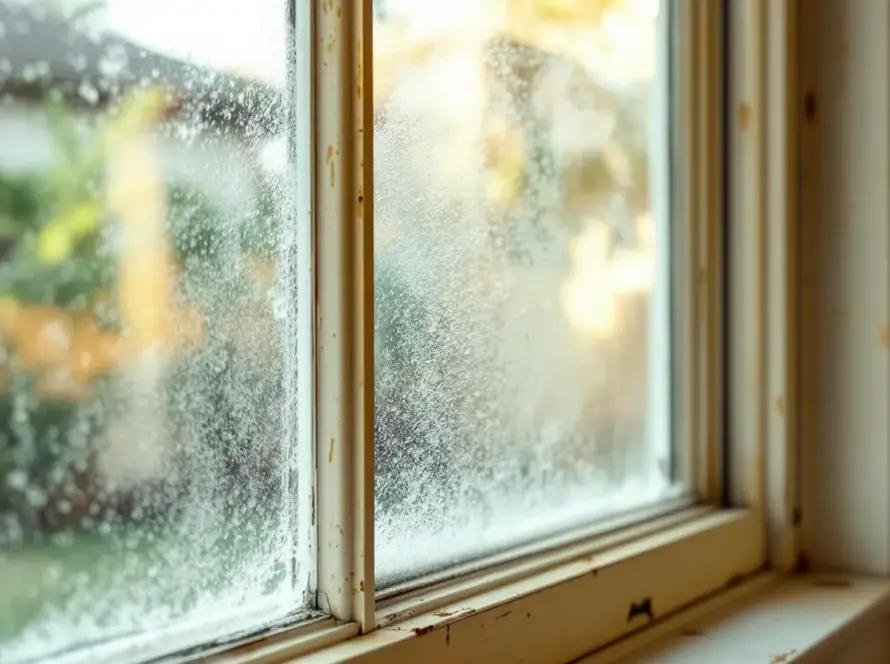
- Visible condensation or fogging between panes, which signals a failed seal and lost insulating value.
- Drafts or air movement you can feel near a closed window, meaning conditioned air is escaping.
- Single-pane glass, which offers far less insulation than modern double-pane, gas-filled construction.
- Windows original to an older home, built before current energy performance standards existed.
What Actually Changes When You Upgrade
Replacing older or poorly rated windows with ones properly matched to Florida's climate can meaningfully reduce how hard your air conditioner has to work, particularly on the sun-exposed sides of your home. The impact varies by home, orientation, and how many windows are affected, which is why an honest, in-home assessment matters more than a generic percentage claim.
Beyond the energy side, newer windows with quality seals and hardware also tend to reduce drafts, cut down on outside noise, and protect furniture and flooring from sun damage — benefits that show up in daily comfort even before the first lower energy bill arrives.
Choosing the Right Window for Each Side of Your Home
Sun exposure isn't the same on every side of a house, and your window choice can reflect that:
- South and west-facing windows get the most direct afternoon sun in Florida and benefit most from a low SHGC.
- North-facing windows receive less direct solar heat and have more flexibility in rating priorities.
- East-facing windows deal with intense morning sun and benefit from many of the same low-SHGC considerations as west-facing windows.
A professional assessment can help determine whether it makes sense to prioritize the same rating across your whole home or vary window selection by orientation for the best overall performance.
Frame Material Affects Efficiency Too
The glass gets most of the attention, but the frame plays a real role in how a window performs. Frame materials conduct heat differently, and gaps or poor insulation around an aging frame can undercut even a well-rated pane of glass.
Vinyl frames are a common choice for Florida homes because they insulate well and hold up to humidity without the maintenance demands of wood. Whatever material you choose, the frame needs to be properly sealed and fitted to the opening — a great glass rating installed in a poorly sealed frame still leaves room for drafts and heat transfer around the edges.
A Few Common Myths Worth Clearing Up
"Any ENERGY STAR window will perform the same in Florida." Not accurate — climate zone certification matters, as covered above. A window rated for a colder region prioritizes different performance numbers than one built for Florida's Southern Climate Zone.
"Tinted or reflective film alone solves the problem." Window film can help reduce solar heat gain on existing glass, but it's a supplement, not a substitute, for windows that are already old, poorly sealed, or single-pane. Film can't fix a failed seal or a warped frame.
"New windows pay for themselves immediately." Energy savings from new windows build up over time and vary by home. It's a legitimate long-term investment in comfort and efficiency, but the payback timeline depends on your specific home, orientation, and current windows — not a fixed number that applies universally.
Why Jacksonville Homeowners Choose Lifetime Windows
Lifetime Windows is part of the Lifetime family of home improvement brands serving homeowners throughout Jacksonville and Northeast Florida. Our team helps homeowners understand which ratings actually matter for their specific home, rather than relying on a generic national efficiency claim that doesn't account for Florida's climate.
Whether you're exploring single and double-hung options, picture windows for a room that needs more natural light, or want an honest read on how your current windows are performing, we're here to help. Financing options are available for homeowners who want to spread out the cost of an upgrade.
Frequently Asked Questions
What window ratings matter most for Florida homes?
A low Solar Heat Gain Coefficient (SHGC) and U-factor help reduce solar heat gain and heat transfer. Check the current ENERGY STAR requirements for the specific climate zone. Version 7 Southern-zone windows require U-factor 0.32 or lower and SHGC 0.23 or lower.
Is ENERGY STAR certification enough on its own?
Not entirely. ENERGY STAR certifies windows differently by climate zone, so it's important to confirm a window is certified for the Southern Climate Zone specifically, rather than assuming any ENERGY STAR label performs the same way in Florida's heat.
How much can new windows actually reduce my cooling bill?
The impact depends on your home's orientation, how many windows are affected, and their current condition. An in-home assessment gives a far more accurate picture than a generic percentage, since results vary meaningfully from home to home.
Do I need different windows for different sides of my house?
It can help. South and west-facing windows deal with the most direct heat in Florida and benefit most from a low SHGC, while north-facing windows have more flexibility. A professional can help you decide whether to prioritize consistency or optimize by orientation.
Is there still a federal tax credit for energy-efficient windows?
The Section 25C Energy Efficient Home Improvement Credit ended for improvements made after December 31, 2025. Do not budget a federal window credit for a 2026 installation; tax eligibility is tied to when qualifying property is installed, not merely purchased.
What's the difference between U-factor and SHGC?
U-factor measures how well a window insulates against heat transfer in general, while SHGC measures specifically how much solar heat passes through the glass. In Florida, SHGC tends to matter more because solar heat gain is the primary driver of cooling costs.
Can window tint or film replace the need for new windows?
Film can reduce solar heat gain on existing glass and is a reasonable short-term improvement, but it doesn't fix a failed seal, a warped frame, or single-pane glass. For windows already showing those issues, replacement addresses the underlying problem rather than masking it.
Ready to See What Your Windows Are Actually Costing You?
If your cooling bills have been climbing and you're not sure why, your windows may be part of the answer. Let's take an honest look at what's actually happening at your home before next summer arrives.
Ready to get started? Schedule your free in-home consultation today.