TL;DR
- Installation problems can affect window warranty claims. Coverage depends on the cause of the failure and the actual warranty terms; installation is not the only possible reason for denial.
- Manufacturer warranties differ. Review the actual installation instructions and warranty exclusions; an unlicensed installer or missing permit is a compliance concern, not an automatic cancellation of all product coverage.
- A window project may include a manufacturer warranty on the product and a separate workmanship warranty on installation. Ask for both in writing rather than assuming either is included.
- A "lifetime warranty" may be limited and subject to specific conditions. Read how the actual warranty defines its duration and coverage.
- Understanding warranty conditions before you hire is one important way to protect your investment.
Consider a hypothetical claim: a year and a half after replacement, two windows fog between the panes. The installer refers you to the manufacturer, which investigates whether the failure is a covered product defect or installation-related damage.
If improper installation caused the failure, the manufacturer may exclude that damage under its lawful warranty terms. A missing permit or lack of manufacturer certification does not by itself establish that an unrelated product defect is excluded.
This example illustrates why it helps to understand coverage before purchasing; it is not a documented Jacksonville case or evidence of how frequently claims are denied.
This post explains the distinction between product and installation coverage, installation-related exclusions to check, and the documentation to request before signing.
How Window Warranties Actually Work
It is easy to think of a window warranty as a single promise. In practice, product and installation coverage can be separate.
A window replacement project typically involves two separate warranties, issued by two separate parties, covering two completely different things.
The manufacturer warranty
This covers the physical window — the glass, the frame, the hardware, and the seals. It's issued by the company that made the product, not the company that installed it. Duration varies by manufacturer, but premium vinyl windows commonly carry limited lifetime warranties on the glass package and frame, with shorter terms on hardware and weatherstripping.
The word "lifetime" deserves scrutiny. Its meaning varies by warranty: it may refer to the original purchaser’s ownership, a defined product life, or another stated period. Transferability and any reduced coverage for later owners also depend on the document. Read the actual definition before buying.
The workmanship warranty
This covers the installation itself — how the window was set, shimmed, flashed, sealed, and insulated in the rough opening. It's issued by the installing contractor, not the manufacturer. Coverage periods vary widely: one year is common at the low end; reputable companies offer longer terms.
If an installer closes or stops responding, pursuing workmanship coverage may become harder. An acquisition does not automatically erase warranty obligations, and the absence of a written workmanship warranty does not necessarily eliminate contractual or other legal remedies.
Both warranties matter. And both can fail you in ways you didn't see coming.
Installation Exclusions That Can Affect a Claim
Check the actual warranty for installation exclusions and read the manufacturer’s installation instructions. The following is a general description, not a quotation from a particular warranty:
Product coverage and installation-damage exclusions are separate: the warranty may exclude damage caused by improper installation without excluding an unrelated manufacturing defect.
ENERGY STAR certification concerns energy performance; it is not a universal manufacturer-certified-installer warranty rule. Warranty terms vary. Where Magnuson-Moss applies, a warrantor generally cannot require a specified branded service provider to preserve coverage unless the service is provided free or the FTC grants a waiver. Damage caused by improper installation may still be excluded. Related technical guidance.
Verify that the contracting business has an active license whose scope and jurisdiction cover the work, and confirm permit and inspection requirements with the local building department. Do not equate every lawful pathway with state certification or assume every employee must hold an individual contractor license. Keep the permit and inspection records where required.
If a claim is disputed, ask the manufacturer to identify the applicable warranty exclusion and explain how it relates to the failure. Missing paperwork may require follow-up, but it does not automatically defeat an otherwise covered product-defect claim.
Six Installation and Maintenance Issues to Check
Understanding the specific triggers helps you protect against them before the project starts.
1. Unlicensed installation
Verify the contractor’s active license, scope, and authority to work in your jurisdiction through DBPR and the local building department. State-certified and legally applicable registered pathways should not be treated as identical. Licensing compliance matters, but lack of a particular credential does not automatically cancel unrelated product-defect coverage. Related technical guidance.
2. No permit pulled
Required permits and inspection records document the project’s compliance process. Verify requirements with the building department and do not agree to skip a required permit. Warranty consequences depend on lawful terms and the cause of the failure; missing a permit does not automatically void product coverage.
3. Installation doesn't follow manufacturer specs
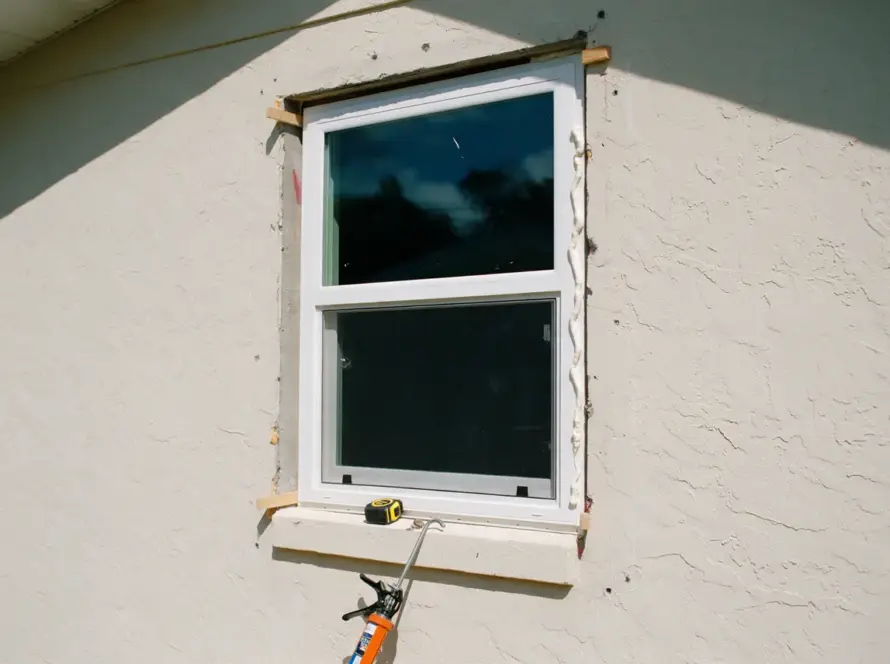
Manufacturers publish installation instructions covering shimming, flashing, sealants, and fasteners. Deviations can cause damage that falls outside product-defect coverage. A deviation does not automatically exclude an unrelated manufacturing defect; review the applicable terms and the reason for denial.
4. Aftermarket attachments drilled into the frame
Drilling brackets into a frame or adding incompatible film can damage windows and affect coverage for the resulting damage. Check the manufacturer’s instructions and warranty before adding attachments; an alteration does not necessarily cancel all coverage.
5. Modifications to the sealed glass unit
Drilling holes for a "defogging" treatment permanently alters the sealed glass assembly and can affect coverage for resulting damage. Repair or replacement by an independent provider does not automatically void the entire warranty merely because that provider is not authorized. Check lawful warranty terms and obtain written guidance before modifying the unit.
6. Failure to report defects promptly
Check the warranty’s notice deadlines and reporting process. Promptly document condensation between panes, operational problems, or suspected seal failure and notify the responsible company. The effect of delayed reporting depends on the terms, applicable law, and whether delay worsened the damage.
The "Certified Installer" Requirement — What It Actually Means
Some manufacturers operate certified or authorized installer programs that provide product training and may offer additional coverage. Program participation is distinct from a contractor’s legal license and is not automatically a prerequisite to basic product coverage.
This distinction matters for two reasons:
First, some authorized-installer programs offer additional workmanship coverage. Ask for the actual enhanced warranty and identify who handles product and installation claims; program participation does not necessarily create a single point of contact.
Second, product-specific training can help an installer follow the manufacturer’s instructions. This is a practical reason to ask about training, not evidence that certification prevents a stated share of warranty denials.
When evaluating window companies, ask specifically whether they are a manufacturer-authorized installer for the brand they're recommending — and what warranty enhancements, if any, come with that relationship.
What a Valid Warranty Claim Requires in Practice
Depending on the product and claim, useful records may include the following. This is a preparation checklist, not a universal legal condition of coverage:
- Proof of purchase — original invoice showing the product, purchase date, and the name of the purchasing company
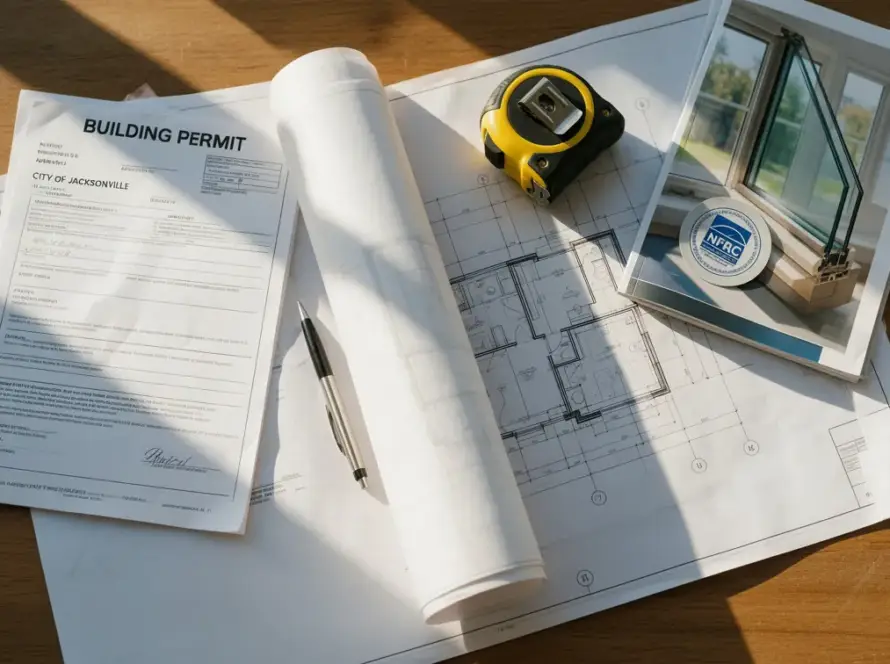
- Installation documentation — permit number and inspection record confirming the installation was permitted and inspected
- Installer credentials — the name and DBPR license number of the licensed contractor who performed the installation
- Photos — documentation of the failure: fogged glass, damaged seals, water infiltration, hardware failure
- Timeline — when the issue was first noticed and when it was reported
The manufacturer may request additional records relevant to a claim. A missing permit record or installer credential is not automatically a lawful basis to deny an otherwise covered defect; ask for the specific exclusion and factual explanation.
This is why the questions to ask before you sign go beyond product specs. Knowing how the installation will be documented, and by whom, protects your ability to make a valid claim later.
Your Rights Under Federal Warranty Law
The Magnuson-Moss Warranty Act and FTC rules govern covered written consumer-product warranties, including disclosure and pre-sale availability, and provide remedies for some warranty breaches. Application depends on the product and transaction; a standalone workmanship service warranty is not automatically treated the same as a consumer-product warranty.
The FTC's businessperson's guide to federal warranty law is dry reading but useful background. The most practical takeaway: written warranties on consumer products must be available for inspection before purchase. If a window company is unwilling to show you the actual warranty document before you sign, that's a problem worth pausing on. Magnuson-Moss requires that the terms be disclosed clearly enough for a reasonable consumer to understand what they're getting.
Where Magnuson-Moss applies, tie-in restrictions generally prohibit conditioning coverage on a specified branded service provider unless the service is free or the FTC grants a waiver. A warrantor may still exclude damage caused by improper work. If a denial appears inconsistent with the warranty or law, request a written explanation and consider advice from a consumer-warranty attorney.
Reading a Window Warranty Before You Buy
Read the warranty before signing: its terms explain the coverage, exclusions, and claims process.
When reviewing any window warranty, look specifically for:
Coverage duration by component. Glass packages often carry longer terms than hardware or weatherstripping. Know what you're actually getting on each component.
Transferability. Check whether coverage passes to a new owner, whether registration or a fee is required, and whether the term changes. Do not assume a transferable warranty guarantees a particular resale-value increase.
Installation requirements. Read the instructions and installation-damage exclusions, and distinguish them from any separate enhanced-coverage program. Do not assume a branded-installer condition can lawfully eliminate basic coverage.
Exclusion list. Normal wear and tear, cosmetic damage, damage from storms or impacts, and aftermarket modifications are common exclusions. Understand what falls outside coverage before you assume it's covered.
Claim process and timeline. Some warranties require written notice of defects within a specific timeframe — 30 days, 90 days. Missing that deadline can limit your options.
A warranty that requires reading the fine print isn't inherently bad — most legitimate manufacturers offer solid coverage once you understand the terms. But a warranty you can't read before purchase, or one where the terms aren't clearly disclosed, is a red flag.
What Lifetime Windows' Warranty Covers
Every Lifetime Windows project includes both manufacturer warranty coverage and a written workmanship warranty on the installation.
Our installation teams are in-house, licensed employees — not subcontractors — which means the installation work is performed under our licensing and our accountability. We pull permits on every project and complete the inspection process. Both of those steps create the documentation trail that supports a valid warranty claim if you ever need to file one.
We're happy to walk through the specific warranty terms with you during your consultation — what's covered, what the claim process looks like, and how long each component is protected. That conversation is part of what we do before you sign, not after something goes wrong.
If you're planning a window replacement and want to understand exactly what you're covered for, schedule a free consultation and ask us to walk through the warranty terms. And if budget is a factor, ask about our financing options — there's no reason to trade coverage for a lower upfront cost.
Frequently Asked Questions
Does bad installation automatically void my window warranty in Florida? No. Damage caused by improper installation may be excluded under lawful warranty terms, but that does not automatically eliminate coverage for an unrelated product defect. Missing permits or manufacturer certification are not universal grounds to cancel coverage. Where Magnuson-Moss applies, specified branded-service requirements are generally prohibited unless the service is free or the FTC grants a waiver.
What's the difference between a manufacturer warranty and a workmanship warranty? A manufacturer warranty covers defects in the window product itself — the glass, frame, seals, and hardware. It's issued by the company that made the window. A workmanship warranty covers how the window was installed — the shimming, flashing, sealing, and related work. It's issued by the contractor who performed the installation. Both are needed for complete coverage, and a failure in either area may not be covered by the other's warranty.
How long do window warranties last in Florida? Terms vary by manufacturer, product, component, owner, and installation provider. Some products offer limited lifetime coverage; hardware, glass, transferability, labor, and workmanship may have different terms. Obtain the actual documents instead of assuming a statewide standard duration.
Can I void my window warranty by adding blinds or window film? Attachments or films can cause damage that is excluded under the actual warranty. Drilling into a frame or applying incompatible heat-absorbing film deserves particular caution. Ask for written product-specific guidance; modifications do not necessarily cancel coverage for unrelated defects.
What should I do if my warranty claim is denied? First, request the specific language in the warranty that the manufacturer is citing as grounds for denial. If the denial is based on alleged installation defects, ask the installing contractor to respond. If the claim appears legitimate and the denial seems unjustified, the Magnuson-Moss Warranty Act provides federal consumer protections for written warranties on consumer products — consulting an attorney familiar with consumer warranty law is an option for claims involving significant value.
How do I protect my warranty coverage after a window replacement? Keep a copy of the manufacturer warranty document, the purchase invoice, the permit number and inspection record, and the contractor's license information. Inspect your windows during the first year and document any issues in writing promptly. Avoid drilling into frames or applying unauthorized aftermarket products. Follow any maintenance requirements specified in the warranty — typically periodic caulk inspection and cleaning guidance.
Have questions about what your window warranty actually covers — and how to make sure it stays valid? Contact Lifetime Windows for a straightforward conversation before you commit to any project.